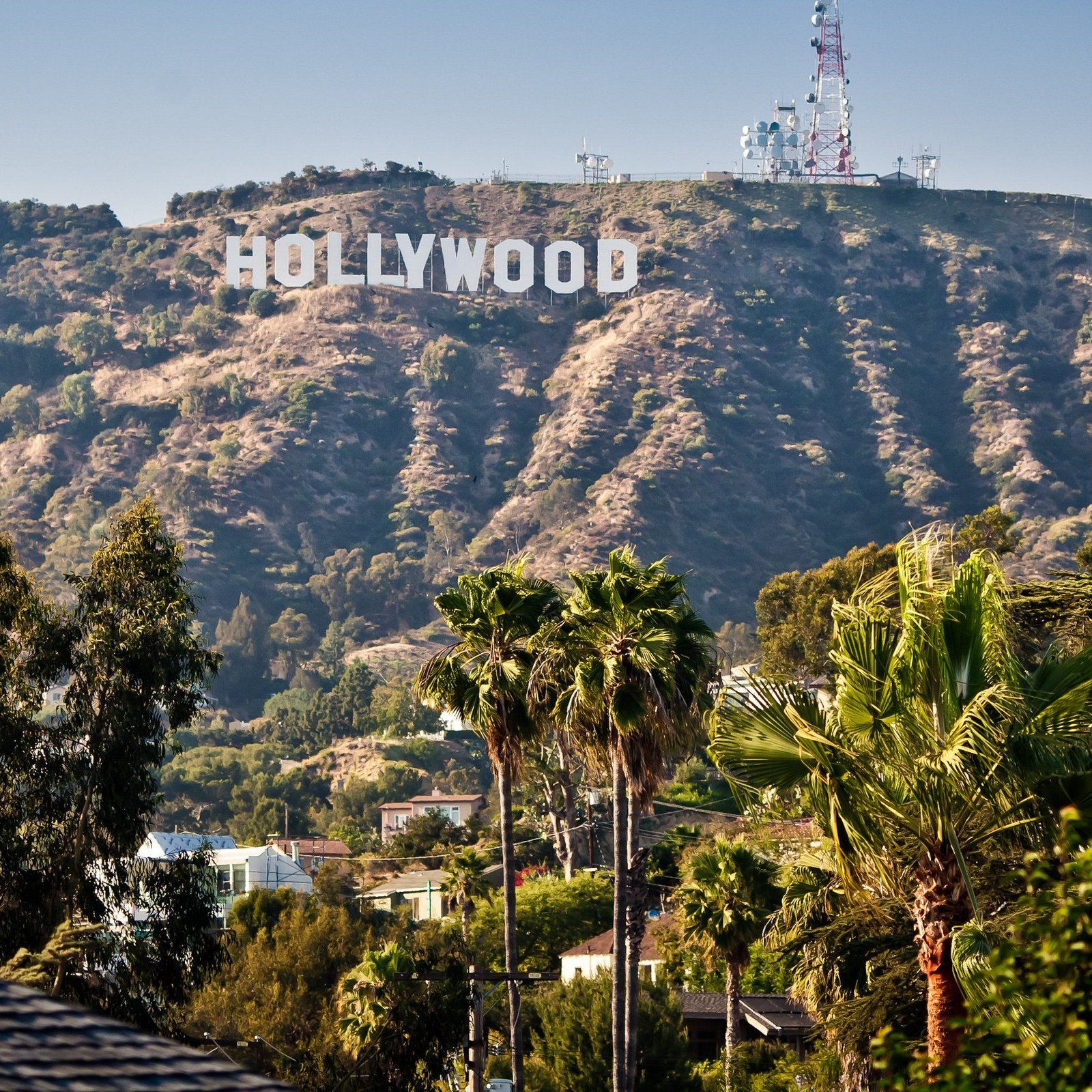
Once upon a time, Hollywood was the undisputed dream factory. The lights of the marquee promised something magical, and audiences lined up around the block to see it. But lately, the story coming out of Tinseltown reads less like a triumphant crowd-pleaser and more like a slow-burn tragedy. The industry is facing a very unhappy ending, and it has almost nobody to blame but itself.
The Sequel Trap
Let\'s start with the obvious wound: the endless parade of sequels, prequels, spin-offs, and \"cinematic universes\" that refuse to die. There\'s nothing inherently wrong with a great sequel—Top Gun: Maverick proved a legacy follow-up can be electrifying, and Dune: Part Two showed that ambition still pays off. But for every genuine event film, there are a dozen tired retreads that feel like they were assembled by a spreadsheet rather than dreamed up by a storyteller.
Audiences are smart. They can smell the difference between a movie made with passion and one manufactured to protect intellectual property. And increasingly, they\'re voting with their wallets by staying home.
The Streaming Mirage
Remember when streaming was going to save everything? Studios threw fortunes at platforms, convinced that infinite content was the future. Instead, they created a glut so overwhelming that great films get buried under an avalanche of algorithmically-recommended filler. A quiet gem like Past Lives or a sharp character piece like The Holdovers deserves a spotlight, but too often these movies vanish into the scroll within days.
Meanwhile, the economics have soured. Subscription growth has slowed, password-sharing crackdowns have annoyed loyal viewers, and the promise of easy profit has curdled into brutal cost-cutting. The gold rush is over, and the hangover is here.
Where\'s the Craftsmanship?
What made classic Hollywood endure was craft. Think of the operatic scope of Gladiator, the moral weight of The Shawshank Redemption, or the sheer technical audacity of Terminator 2: Judgment Day. These weren\'t just products—they were films made by people who believed in them.
That belief still flickers. Oppenheimer reminded everyone that grown-up, challenging cinema can be a genuine cultural event. Animated masterworks like The Boy and the Heron prove artistry still commands attention. And a tense, meticulously crafted mood piece like Decision to Leave shows the medium is far from creatively bankrupt. The talent is there. The vision is there. What\'s missing is a system willing to bet on it.
A Risk-Averse Industry
The real tragedy is fear. Studios have become so terrified of losing money that they\'ve stopped taking the swings that once made movies exciting. The mid-budget adult drama—the bread and butter of great filmmaking for decades—has been squeezed nearly out of existence. Everything now must either be a franchise juggernaut or a micro-budget gamble, with almost nothing in between.
That leaves us with fewer surprises, fewer original voices breaking through, and a growing sense that Hollywood is running on nostalgia fumes rather than fresh ideas.
Is the Ending Really Written?
Here\'s the thing about a good story: the ending isn\'t set until the final frame. Hollywood\'s crisis is real, but it\'s also self-inflicted, which means it\'s fixable. Trust filmmakers. Fund original ideas. Give small movies room to breathe. Stop treating audiences like passive consumers and start treating them like the passionate movie lovers they are.
The dream factory doesn\'t have to close its doors. But if it keeps chasing safe bets and abandoning the very craft that built its legend, the credits may roll sooner than anyone wants. At FlickFinders, we\'re still rooting for the twist that turns this tragedy around—because when Hollywood gets it right, there\'s still no ending quite as satisfying.